Walk down a block in Carroll Gardens or Bed-Stuy on a cozy evening and you hear everything simultaneously: laughter increasing from a roof, a neighbor's playlist wandering throughout a narrow side backyard, a bus sighing at the corner. That soundtrack is part of Brooklyn's appeal, however when you're trying to read, put a young child down for a snooze, or host buddies without an audience, a deck needs defined edges and some acoustic buffering. Done right, a personal privacy wall does greater than block sights. It anchors the space, softens sound, and transforms the method the deck feels beneath your feet.
As a deck professional that has actually built and restored on brownstone roof coverings, tight yard strips, and large new balconies near the beachfront, I've learned that personal privacy is never ever a single option. It's layers, compromises, and details that divide a wall you endure from one you admire everyday. Below is a practical guide based in what operate in Brooklyn: code-aware style, products that make it through salty air and city gunk, and patterns that play perfectly with rowhouse altitudes and tiny impacts. The examples recommendation work we have actually done or examined for clients at Deck Master Home Improvement throughout neighborhoods from Park Slope to Williamsburg.
What privacy actually implies on a Brooklyn deck
Privacy in the city is not outright. You can't block a tenth-floor sightline to a fourth-floor roofing system deck without developing a barricade that will contravene of code and neighbors. The objective is targeted screening that boosts comfort where it matters: a diner table shielded from the nearby stoop, a jacuzzi edge nobody can see from the back windows, a lounge location shielded from the midafternoon westerly glow. For a small ground-level deck between two fencings, that might mean a solitary 6 to 7 foot screen at the rear and a vine-covered trellis on one side. For a roof, it almost always means a mix of reduced planters, slatted wind displays, and an above element like a pergola.
A good deck builder starts with views. We base on your deck, look toward surrounding windows and lawns, and note the angles that matter. If you just require a 40 degree slice of personal privacy from one second-floor window, placing a 5 foot-wide screen off-center can be much better than covering the entire deck in boards. It maintains air and light streaming, which your plants and your guests will thank you for.
Codes, tricks, and the reality of approvals
Brooklyn is controlled by the New York City Building Ordinance and your neighborhood zoning lot's details restraints. After that there are historic areas, which include one more layer. The short variation: in back lawns, a 6 foot fencing along residential or commercial property lines is regular and hardly ever questionable if it's wood or similar. On rooftops, anything visible from the road will obtain even more scrutiny, and elevation limitations connect to guardrail needs and parapet conditions.
Here's exactly how we browse it without overpromising. Rooftop privacy wall surfaces frequently live as expansions of needed guardrails. If the guardrail is 42 inches, you can create a combined setting up where the reduced 42 inches is code rail, and the top 18 to 36 inches is semi-open screening. This strategy reads lighter to customers and neighbors. In historic areas, we established displays back from the roofing edge to maintain them out of road sight. Even little troubles, 6 to 10 feet sometimes, can make the difference between an easy authorization and an excruciating back-and-forth.
For ground-level decks, side backyard encroachments prevail. Brooklyn lots are slim, and a generous privacy wall surface can nibble at egress clearance or grill distances. We keep at the very least 36 inches of clear course wherever a lawful exit course exists and respect the regular 10 foot clearance in between open-flame grills and combustible wall surfaces unless you switch over to electrical or install proper thermal barrier. Codes are a flooring, not a ceiling. Our work is to satisfy them while accomplishing your goals cleanly.
Material options that earn their keep
You can develop a privacy wall surface from practically anything you can fasten straight. The test is just how it manages dampness, UV direct exposure, and the dirt of a city. The pick that works on a Hudson Valley farmhouse may not last 2 winters months on a Gowanus roofing system. Right here's what has actually verified itself in Brooklyn.
Composite decks and matching displays. Homeowners pick composite decks for low maintenance, and the exact same reasoning applies to personal privacy walls. Brands that use slat or screen systems with covert bolts produce a natural look and less factors of failing. We such as composites for wind-exposed rooftops where wood dries out, checks, and grays rapidly. The compromise is temperature level. Darker composite slats can run hot in direct sun, so we define lighter colors or break up big surfaces with planting to tamp down heat gain.
Thermally changed or thick woods. If you want real wood, thermally customized ash or yearn stands up much much better than untreated cedar in the city. We also use ipe on custom-made decks when budget plans permit. It weathers beautifully if left to silver, and it withstands rot and pests. The compromises are weight and sourcing. Ipe is hefty, which matters on older roofing structures, and it requires predrilling and stainless fasteners. Thermal timbers are lighter, look crisp, and take a discolor uniformly, though the coating can need revitalizing every couple of years completely sun.
Powder-coated aluminum. Light weight aluminum slat systems port into articles with tidy lines and no bending. On a roof covering with limited online tons capability, light weight aluminum lusters due to the fact that it is both solid and light. Powder layer stands up to salt air, which you feel also in inland neighborhoods on windy days. The appearance skews modern, so we typically combine it with a timber or composite deck and plant to warm it up.
Steel and perforated panels. Where we need rigidity in a slim profile, we'll utilize steel frameworks with perforated sheet infill. The perforations damage the wind and dapple light onto the deck. It's a good move for narrow yards where a strong wall surface would really feel oppressive. Intend on occasional touch-ups if a lawn mower or harsh ladder meets the frame, even with hot-dip galvanizing and powder coat.
Plant-based walls. Planters with trellises, bamboo in troughs, or espaliered fruit trees can do a lot of job, especially when combined with a pergola or gazebo edge. In Brooklyn, bamboo needs control and species choice. Clumping selections in aluminum-lined planters act. Running enters soil will certainly travel right into the next-door neighbor's tomatoes, and no one appreciates that discussion. Plants include acoustic softness that hard wall surfaces can not match, and in winter you can switch in evergreen selections or add reed displays to keep coverage.
Glass with texture. Frosted or fluted glass inserts give privacy without compromising light. These panels set you back even more and need mindful planning for wind loads and safety glazing. They work best as accents instead of whole stretches unless you desire a really modern appearance. We prevent mirrored coatings encountering next-door neighbors. Representations can feel hostile in limited blocks, and they show grime quickly.
Pattern, porosity, and the means light moves
The distinction between a hefty wall surface and one that breathes normally comes down to pattern. Solid wall surfaces function beside noisy alleys or when you absolutely need to cut a sightline, however on a regular deck, 20 to 40 percent visibility hits a sweet place. Slats set with a 1:4 ratio of gap to board, counter battens, or latticework with a tight 1 inch aperture all shield sights without eliminating airflow.
One pattern we use for brownstone rooftop decks pairs straight slats on the reduced fifty percent with an upright louvered area up top. The horizontal section straightens with the deck boards and guards the seating zone. The upright louvers tip toward the neighbor at a set angle, drawing winds throughout the top while obstructing a direct sight down. It reads as a customized piece of millwork as opposed to a fence a roof.
Geometric screens in powder-coated light weight aluminum, the sort with laser-cut Moroccan or midcentury patterns, can be appealing. A couple of panels became a backdrop look fantastic. Twenty feet of it can feel active and really loud in sunlight. If you enjoy that texture, utilize it in a focal area, then change to simpler slats elsewhere. In little impacts, your eye desires a place to rest.
Pergola or gazebo: overhead does more than shade
Privacy is not simply side. The fastest means to develop a space sensation outdoors is to add a cover, also a partial one. A pergola on a Brooklyn deck gains its keep by handling high sightlines from top floorings and diffusing noise. Slatted rafters or retracting canopies let you modulate sunlight while giving an aesthetic top to the area. A gazebo, used more moderately in the city, provides a defined specific niche, useful when your deck splashes directly from a kitchen area and you want a different read for relaxing or dining.
When a client asks whether to invest in a pergola or taller privacy wall surfaces, we speak about proportion and scale. A pergola at 8 feet with a 12 to 16 inch-deep rafter profile can minimize perceived height on neighboring displays, making a 6 foot wall really feel right instead of cage-like. It additionally gives anchors for lights, followers, or heaters, which matters on decks you plan to use 9 months a year. In salty air zones near Red Hook or Greenpoint, we specify aluminum or steel pergola frameworks with wood-look cladding if you want heat without maintenance.
Sound: the hard problem
Sightlines are straightforward compared to appear. A tall wall can quit a look, yet your next-door neighbor's discussion will certainly ride right over the top. In limited Brooklyn whole lots, the very best acoustic enhancements come from diffusion and absorption, not brute blocking.
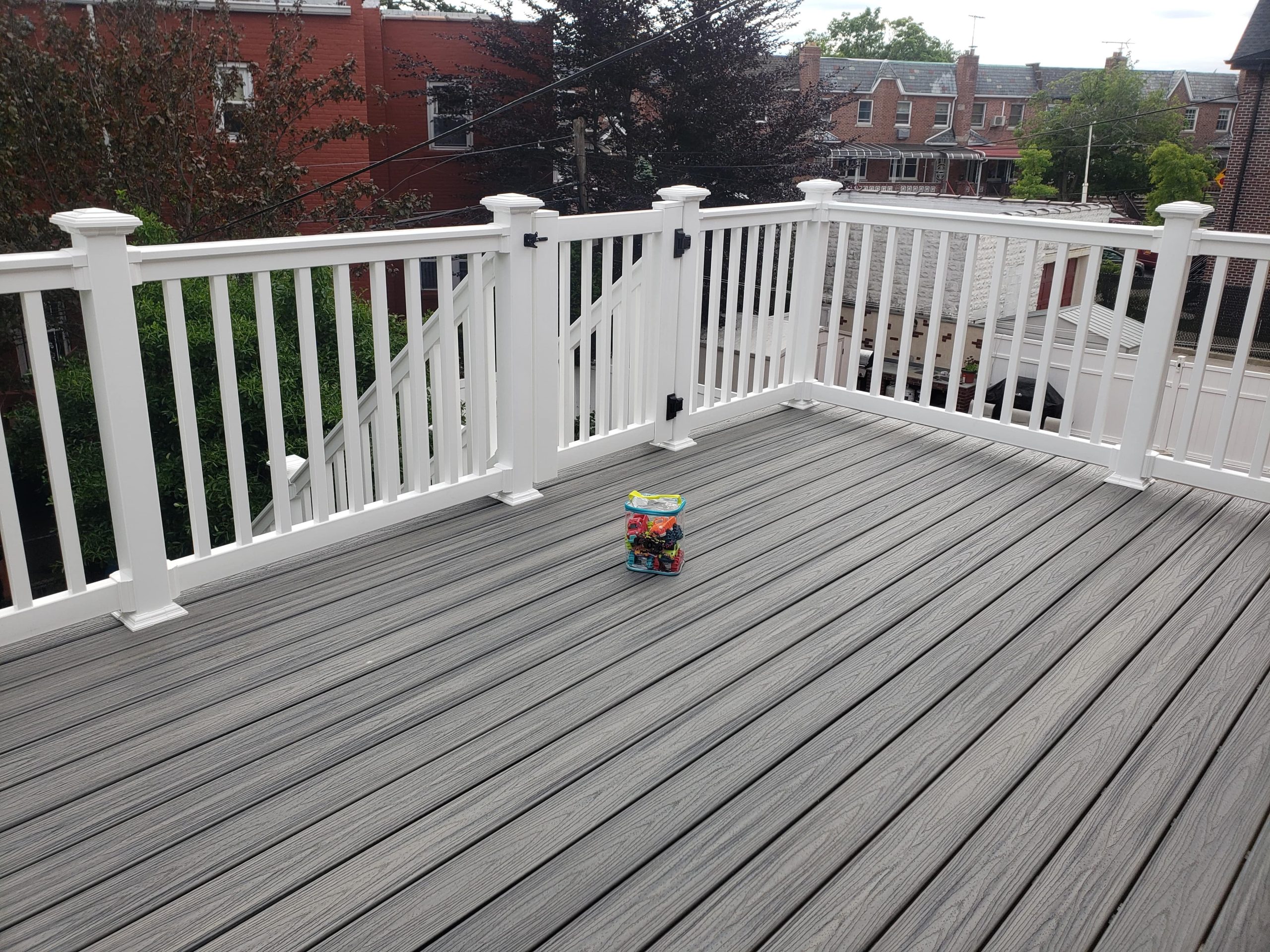
We integrate planters in front of walls with staggered shrubs to scatter reflections. High yards, like miscanthus or switchgrass, flutter and separate greater regularities. On the wall itself, slats triggered the confront with a small air gap reduce slap-back. For rooftop decks where a compressor or a neighbor's heating and cooling is the wrongdoer, a brief, thick panel around the sound source works far better than one huge wall surface twenty feet away. Mass-loaded vinyl sandwiched in between composite or wood layers can help in surgical spots. It is not gorgeous by itself, but hidden within a framed area it gains the space it takes.
Do not expect wonders. A well-designed privacy plan can reduce viewed noise by a visible margin, especially in the high-frequency array. Low roars from traffic continue. White sound from a little water feature or follower can cover what a wall surface can not, and on hot days the extra air flow is welcome anyway.
Anchoring wall surfaces without harming your deck
Privacy walls concentrate loads. On a ground-level deck, a 7 foot display acts like a sail in a summer season electrical storm. On a roofing, that load takes a trip with the deck frame and right into the roof covering framework, which might be a century-old lumber assembly. This is where an expert deck builder spends for themselves.
We reward privacy wall surfaces as component of the structural strategy, not second thoughts. That implies continuous footings or bigger deck posts below larger wall surfaces, through-bolted connections, and lateral bracing covert inside the assembly. On composite decks, we constantly connect wall messages right into the underpinning, never simply the surface area boards. On roofing systems, we prevent any infiltration of water-proof membrane layers unless absolutely essential and just with a contractor's detail and sign-off. Ballasted planters tied to steel frames can anchor lighter screens securely without a solitary bolt listed below, a method we've utilized on numerous condominium roof coverings where penetrations were off the table.
Wind screening in the area is functional. Before last cladding, we'll stage short-lived panels and examine deflection under a good push. You know swiftly if an article spacing of 6 feet is right, or if 4 feet purchases you much more peace throughout nor'easter s.
Color, surface, and how to keep it appearing like new
Brooklyn grit is genuine. Subways breathe it out, wind brings it, and by March you see it on every straight surface. A personal privacy wall surface with slats and texture hides dirt far better than a level panel. Mid-tone shades make a distinction. Pure white is crisp on the first day and a maintenance job by day ten. Near-black looks terrific on contemporary composite decks but shows plant pollen and salt. Cigarette, driftwood, or coffee tones strike an equilibrium. In shaded lawns with block backgrounds, cozy grays with brownish undertones read right at all hours.
For timber, we suggest penetrating stains over movie finishes. Movie looks amazing for a year and afterwards peels off in high UV. A top quality oil-based or hybrid passing through tarnish soaks in and fades beautifully. Intend on a light laundry and recoat every 18 to 36 months depending upon direct exposure. For light weight aluminum or steel, stick to credible powder-coat systems and request a marine-grade option if you're anywhere near the waterside or on a high roofing system. You pay even more in advance and less in migraines later.
Integrating lighting and power thoughtfully
Privacy displays give you upright property to place light without blinding anyone. Low-glare straight LEDs put under slat caps, downlights established into pergola beams, and a couple of well-aimed sconces can make a tiny deck feel intentional after dark. We run circuitry in channel hid within articles or behind Brooklyn Deck builder cladding and consist of solution loops so panels can be gotten rid of for maintenance without cutting runs.
Avoid intending lights towards neighbors' windows. A cozy 2700K glow, secured and directed downward, preserves affection and maintains the vibe pleasant on both sides of the fence. If you prepare to function outdoors or prepare at night, include a different, brighter task light on a various circuit. Dimmers are non-negotiable. You want control over strength as seasons and makes use of change.
Planting methods that work with walls instead of dealing with them
Plants and privacy support each various other when prepared with each other. On city decks, we containerize almost everything, which indicates weight estimations matter. Lightweight dirt mixes, aluminum planters, and drip watering minimize upkeep and safeguard structures.
Climbers like clematis, star jasmine, and hardy kiwi cover trellises promptly in Brooklyn's climate. Wisteria is effective and attractive however will tear a light trellis apart over time otherwise trained boldy. For evergreen winter coverage, think about English ivy with a stringent maintenance plan, or better, evergreen jasmine where microclimate allows, and boxwood or holly in planters at reduced elevations. Bamboo, once again, only in lined planters with varieties selected for clumping habits. In slim backyards, layering issues: a reduced planter bench versus the wall, taller bushes behind, and a slim slatted screen past. The staggered heights damage sightlines better than one high flat plane.
Budget, phasing, and what to do first
Privacy tasks can be phased without regret if you believe in modules. Start with one of the most invasive sightline and address it with a durable screen or pergola edge, then cope with the deck through a period. You will certainly find whether the morning sunlight is harsher than expected or if weekend sound actually gets here from the opposite direction.
For a regular Brooklyn backyard deck of 12 by 16 feet, a well-detailed composite privacy wall extending 12 feet with integrated blog posts, cap, and lighting could run in the mid four numbers to low five figures depending upon material and complexity. A pergola adds a similar array. Planting can be moderate or intricate. Saving by cutting corners on structure is false economic situation. We see way too many do it yourself screens bolted just to surface boards, leaning by the initial winter.
Deck Master Home Enhancement typically recommends an A-B-C technique: support one strong component, supplement with plant, after that refine with accents like a textured panel or an integrated bench. Customers appreciate that it keeps the deck functional at each stage without wrecking ended up work.
Case notes from the borough
A south-facing Prospect Heights roofing deck had a book problem. Next-door neighbors on a somewhat taller brownstone can see straight onto the lounge zone. A strong wall would get too hot the area. We developed a 36 inch planter across the back, then a 42 inch guard integrated with 24 inches of tilted vertical louvers above, readied to obstruct views from the next-door neighbor's home windows while welcoming wind from the west. The planters housed bayberry and little bluestem, which add motion without mass. A slim aluminum pergola with a retracting material canopy completed the frame. The result reads like a living-room with a horizon, not a box.
In Bay Ridge, a slim ground-floor deck needed acoustic help from street web traffic. Strong composite panels really felt claustrophobic. We used a double-slat system: external slats straight, inner slats vertical with a 1 inch gap, producing a shallow honeycomb. Behind the panels we mounted mass-loaded vinyl midway up, hidden from sight. The household reported an obvious softening of the piercing mobility scooter gripe that made use of to control breakfast.
A Clinton Hillside brownstone in a spots area desired privacy from the adjacent carriage home while maintaining the deck virtually unseen from the road. We established a cedar trellis display 10 feet back from the parapet, just 6 feet wide, straightened with the table. Visibility from the public method was properly absolutely no. The targeted step cost much less than covering the entire boundary and satisfied the Landmarks Conservation Compensation with a straightforward staff-level approval.
Working with a deck builder that values the block
Brooklyn is a village. Word travels, and your deck is part of a shared streetscape whether it sits in a backyard or on a roofing system. A deck specialist ought to listen for how you live, but likewise for how your next-door neighbors live. We inquire about silent hours, frequent events, and whether you like to yard or favor plants that ask little of you. After that we convert those behaviors into wall surface elevations, materials, and patterns that offer you without provoking a long-simmering fence dispute.
At Deck Master Home Improvement, we design personal privacy with upkeep in mind. Bolts come. Panels raise out for repair work. Finishes are spec 'd to endure city grime and sea breeze. If you end up marketing, customers see a personalized deck that feels constructed in, not tacked on. The ideal personal privacy wall surfaces include that perception of permanence.
A sensible, very little list for obtaining it right
- Identify the two or three crucial sightlines by depending on the deck at the times you use it most. Style to obstruct those, not the whole world. Choose products to match your deck and exposure. Compound and light weight aluminum excel on roofs, thermally customized wood beams at ground level with shade. Keep wall surfaces partially open where possible to protect air movement and convenience. Go for 20 to 40 percent visibility with slats or louvers. Plan framework early. Link posts right into the subframe, regard roof membranes, and dimension spans for wind. Don't rely upon surface area boards. Layer plants with screens for audio and soft qualities, and consist of irrigation so the system prospers without day-to-day attention.
When a pergola changes the entire equation
There are tasks where a pergola seems like an extravagance till you deal with it for a week. On a Sunset Park roofing system with absolutely no shade, we built a slim steel pergola with operable louvers over half the deck. The personal privacy walls stayed reduced, only 5 feet, but the overhead blades reduced the sight from taller next-door neighbors and allowed the family to tune light and breeze. It felt cooler by several degrees. In summertime storms, they secured the louvers and kept cushions completely dry. In winter season, the open sky returned. In some cases the best personal privacy wall surface is the one you hardly see overhead.
Final thought: personal privacy as layout, not defense
Privacy wall surfaces can look protective or they can look willful. The difference lies in proportion, pattern, and the way the wall joins the deck's life. Link the displays to a pergola beam of light. Allow a creeping plant insurance claim an edge. Use an integrated bench to enlarge a base and add storage. Consider the wall as furnishings scaled to the outdoors rather than a boundary alone.
Brooklyn doesn't provide you acres to roam, however the best envelope around a deck makes every square foot count. Whether you favor composite decks for simplified care, hunger for the feel of custom-made decks in wood, or want a downplayed pergola or gazebo to arrange the area, well-designed personal privacy wall surfaces turn a platform into an area. Finished with treatment, they respect your next-door neighbors and your block, and they quietly make your home bigger, more comfortable, and even more yours.
Deck Master Home Improvement 210 Avenue N, Brooklyn, NY 11230 (718) 356-0095